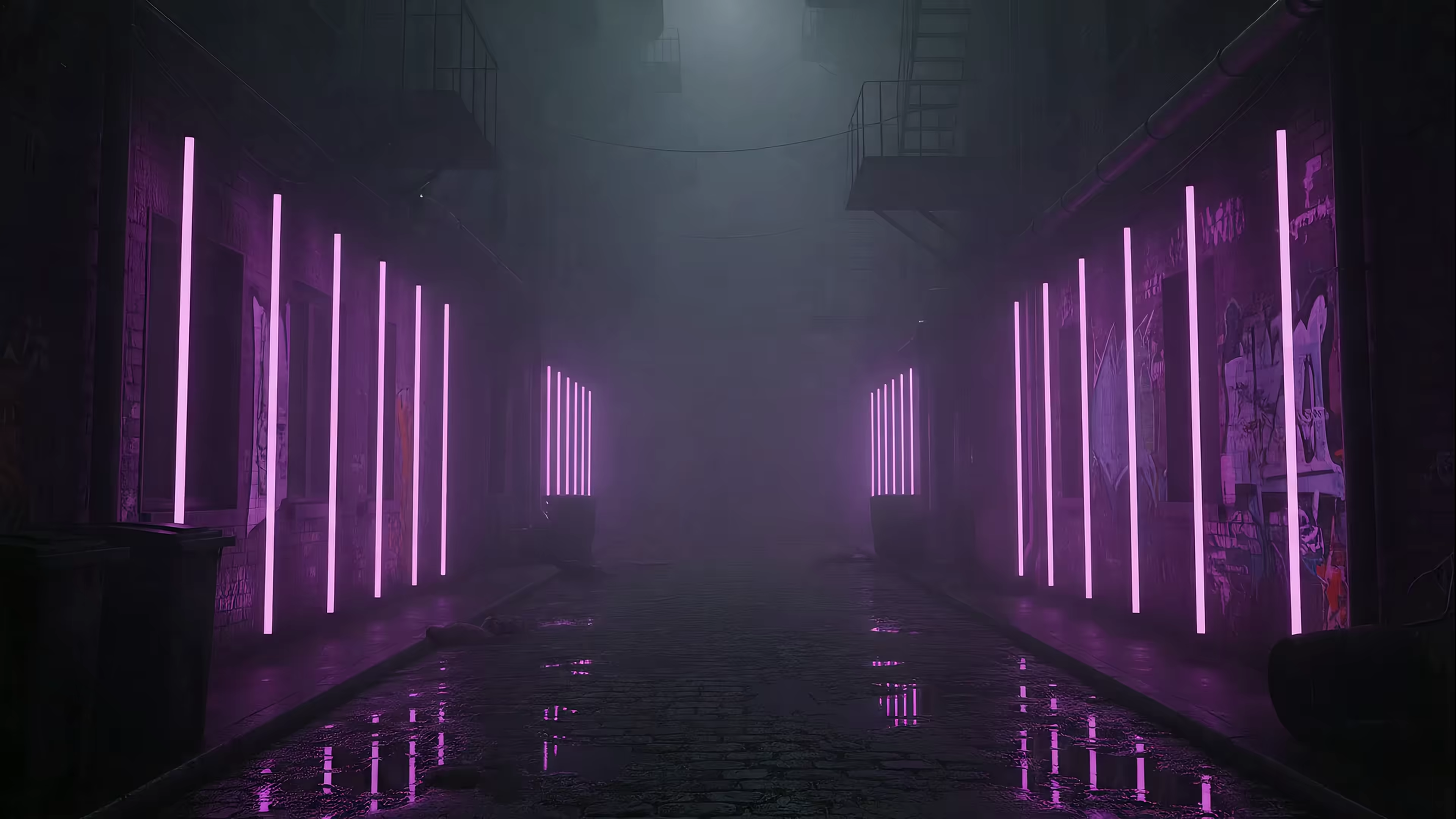
Acapella Pop Songs: Iconic Vocal Magic Hits
There's a very specific moment when acapella pop songs stop feeling like choir-kid homework and start feeling like sorcery. You hit play, expect a cute harmony stack, and suddenly a human mouth is doing the bass line, the snare, the synth stab, and the emotional damage. No instruments. No safety net. Just voices behaving with suspicious confidence.
That's probably why this format keeps surviving every era that should have killed it. It isn't a niche relic anymore. By the 2010s, mainstream pop had absorbed vocal-only aesthetics sufficiently that major artists were being analyzed for a cappella performance traits like belting, head voice, breathiness, whistle notes, and live ad-libs in commercially successful pop music, including Ariana Grande and Katy Perry in one academic thesis on the period's vocal style (CSUMB thesis on popular music vocals). Pop didn't just borrow from a cappella. It made the whole idea feel normal.
So here are seven acapella pop songs that still hit. Not just because they're famous, but because the arrangements hold up when you strip away the musical backing and leave the human voice to do all the heavy lifting. I've paired each one with a visual mood too, because some songs don't just want to be heard. They want a desktop.
1. Pentatonix, "Daft Punk" (2013)
If you need one track to explain modern a cappella to a skeptical friend, this is the one. Pentatonix took Daft Punk's sleek robot-funk catalog, chopped it into a medley, then rebuilt the whole thing with beatbox, bass, tight harmony locks, and enough studio precision to make a mixing engineer grin in public.
The trick is pacing. This arrangement never sits still long enough for the novelty to wear off. It keeps handing your ear a new hook, a new texture, or a new rhythmic handoff, which matters because medleys die fast when transitions feel stitched together with wishful thinking.
Why it works so well
- Hook density: Daft Punk songs are built on instantly recognizable motifs, so the arrangement can move fast without losing the listener.
- Low-end authority: The vocal bass doesn't feel decorative. It carries structure.
- Beatbox discipline: The groove stays clean instead of turning into "look, a person can imitate a hi-hat."
A lot of acapella pop songs fall apart when they try to sound "epic" and forget to sound playable. This one doesn't. It sounds engineered.
Practical rule: If the bass and percussion parts aren't convincing by themselves, no amount of upper harmony sparkle will save the arrangement.
There's a trade-off, of course. This is hyper-produced. If you love the raw room sound of a live ensemble standing in a circle and trying not to inhale each other's consonants, "Daft Punk" can feel a little too polished, almost frictionless. But as a gateway track, it's ridiculous in the best way.
Pair it with rain-slicked cyberpunk glow. This song wants passing headlights, chrome reflections, and a city that never once considered going to bed.
You can hear the original and the group's broader catalog at Pentatonix's official site.
2. Bobby McFerrin, "Don't Worry, Be Happy" (1988)
Then there's the opposite approach. No glossy futurism. No maximal arrangement flex. Just Bobby McFerrin making joy sound embarrassingly easy.

Every sound in the track comes from voice or body percussion, and that simplicity is exactly why it still lands. The call-and-response melody is immediate. The groove is light on its feet. The phrasing stays conversational instead of over-arranged. You hear it once and your brain adopts it like a stray cat.
The real trade-off
This song is almost too successful at what it does. Everyone knows it. That familiarity can make people underrate the craft, which is unfair. Making something this clear, this singable, and this uncluttered is harder than stacking sixteen glamorous harmony parts and hoping nobody notices the center is mush.
It also carries a genuine chart milestone. It remains the first and only fully a cappella song to top the Billboard Hot 100, as noted on Bobby McFerrin's official site. That matters because it proves vocal-only pop wasn't just a novelty tucked into specialist corners. It could sit in the middle of mass culture and win.
Some tracks impress musicians. This one also survives family road trips, grocery stores, and people who "don't usually like this kind of thing."
For a visual pairing, go sunny and open. Nature works here, but not the solemn mountain kind. More "windows open, responsibilities postponed" energy. If your desktop looks too grim, this song will start a small rebellion.
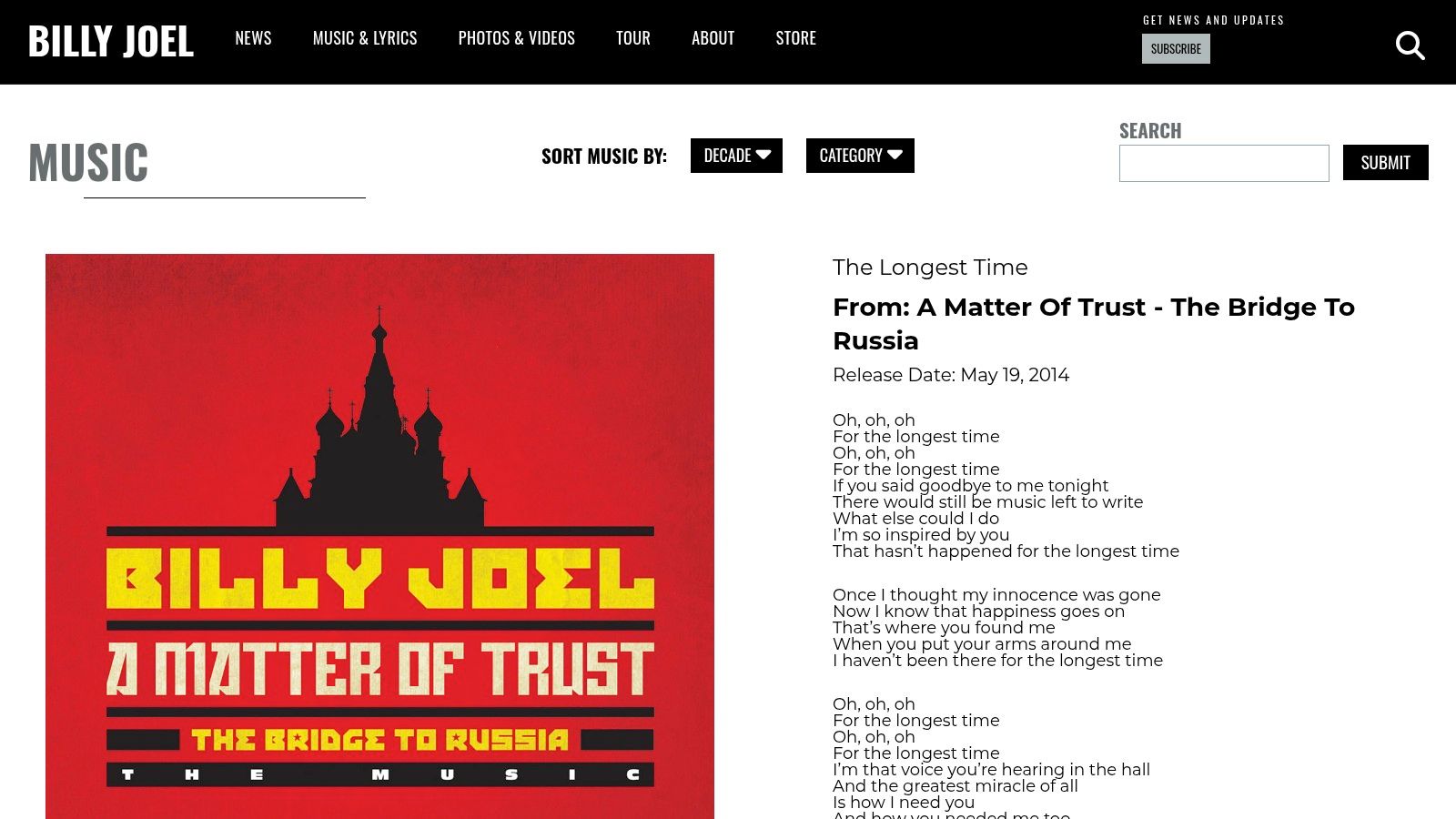
3. Billy Joel, "The Longest Time" (1984)
"The Longest Time" is what happens when pop nostalgia gets disciplined enough to become architecture. Billy Joel built it on doo-wop language, but the reason it still works for choirs, small groups, and casual singalongs is that every part has a job you can hear.
The arrangement is generous to listeners. The backing interjections are memorable. The lead line stays grounded in a story. The harmony texture sounds rich without becoming muddy. That balance is why this song keeps getting arranged and covered in a cappella circles. It gives singers enough to chew on, but it never disappears into technique for technique's sake.
What works and what doesn't
- Works: Songs with clean harmonic movement and recognizable response parts.
- Works: Nostalgic production concepts that voice can imitate naturally.
- Doesn't work as well: Production-heavy modern tracks whose identity depends on synth texture more than melody.
There is one tiny asterisk. "The Longest Time" is often treated as an a cappella classic, but it isn't purely vocal all the way through. Minimal bass and light percussion show up later. That doesn't ruin the case for it. It just means the song sits in the "mostly a cappella" lane rather than the strict monastery of no instruments whatsoever.
If you want a visual match, this is lofi territory. Warm wood tones. Dusty light. Maybe a record player turning with theatrical sincerity.
You can find the song at Billy Joel's official song page.
4. Imogen Heap, "Hide and Seek" (2005)
Not every great a cappella track tries to mimic a band. "Hide and Seek" does the smarter thing. It accepts that the human voice can be its own alien weather system.
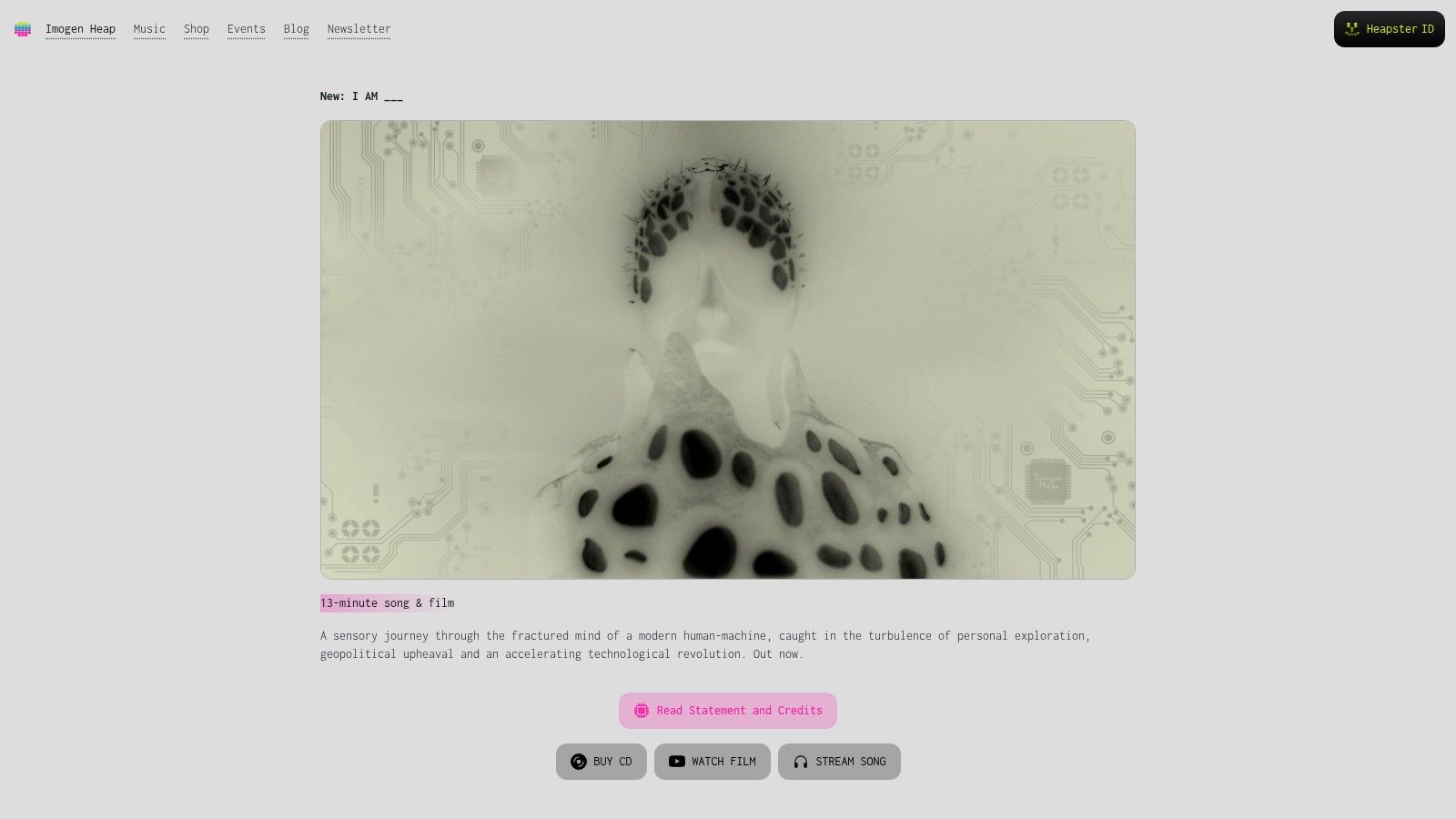
Imogen Heap processes her voice through a harmonizer and turns a single vocal source into something choir-like, intimate, and uncanny. There are no conventional instruments doing emotional support in the background. The voice is the arrangement, the atmosphere, and half the narrative.
Why arrangers still study this kind of track
This song proves that "a cappella" doesn't have to mean "naturalistic." If the only rule is singing without musical instruments, then vocal processing is still part of the game. That opens a huge creative door for modern acapella pop songs, especially on platforms where texture matters as much as melody.
A lot of current coverage still treats the category like a karaoke prompt instead of an arrangement problem. The more useful question is which pop songs still keep their identity when stripped down, then rebuilt with voice-led texture, bass motion, and percussion-like articulation, a gap highlighted in this discussion of what makes songs work a cappella. "Hide and Seek" answers that question by refusing to imitate the missing production exactly. It replaces it with another emotional logic.
Listening note: Use headphones. This track lives in timbre, spacing, and the uneasy little shifts between closeness and distance.
The downside is obvious. If you want a party track, this is not your girl. It's contemplative, slow-burning, and emotionally odd in a very specific way. But if your idea of a good evening includes rain on glass and dramatic overthinking, this is premium material. If you already work better with atmospheric sound, you'll probably also like this guide to lofi study music.
Visually, go dark, rainy, and slightly unreal. A moody screen with depth helps the song feel like it has somewhere to haunt.
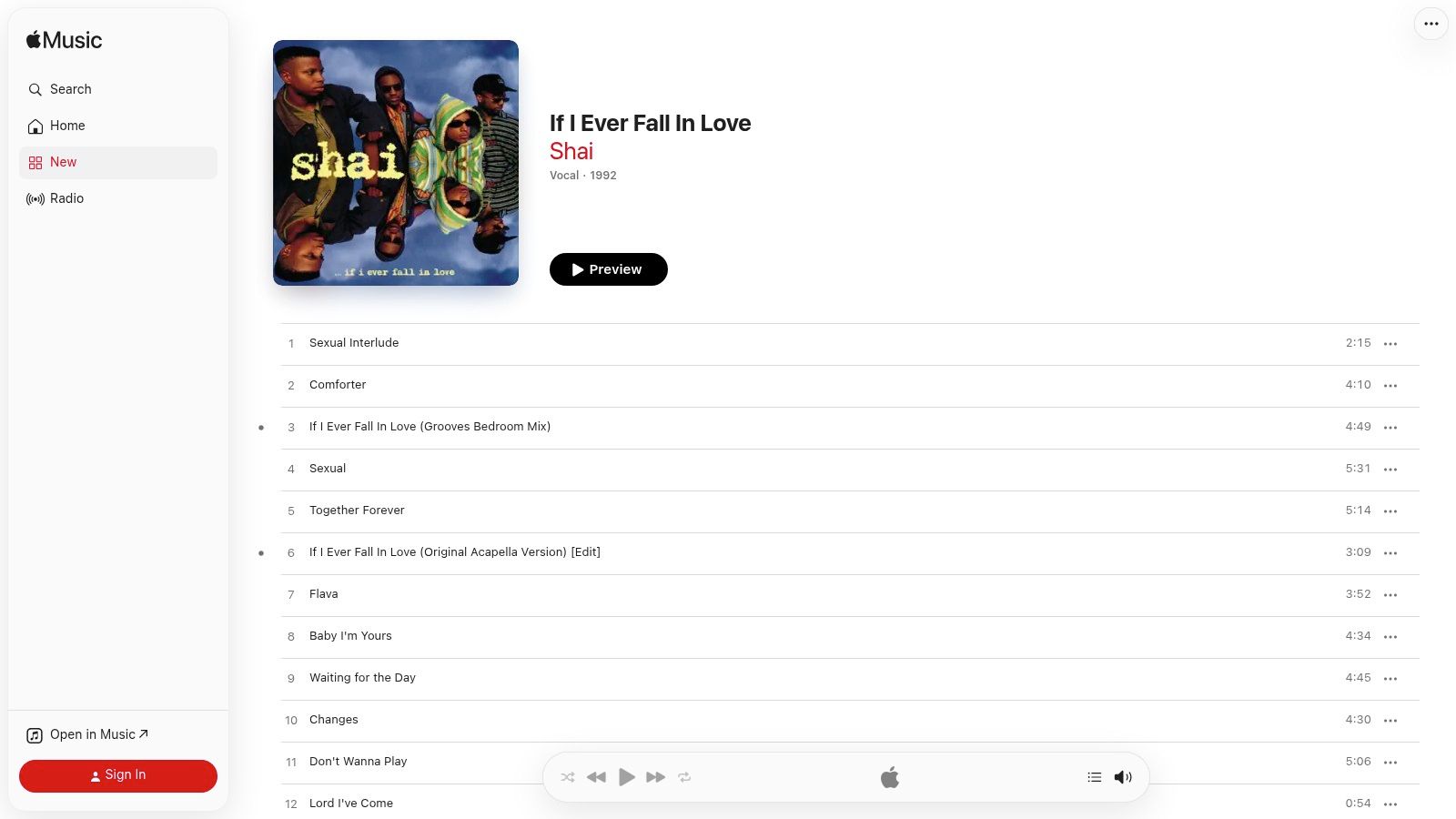
5. Shai, "If I Ever Fall in Love (Original A Cappella Version)" (1992)
This one arrives dressed better than the rest of us and doesn't brag about it. Shai's original a cappella version of "If I Ever Fall in Love" is peak early-'90s R&B vocal blend. Smooth lead. Tight stacks. Just enough rhythmic support to keep the whole thing breathing without breaking the spell.
What makes it useful, not just enjoyable, is balance. Male quartet harmony can go wrong in several embarrassing ways. The low parts get boomy, the upper stack gets pinched, or the lead oversings and leaves the backing vocals sounding like decorative furniture. Shai avoids all of that. The blend stays silky, and the lead phrasing has enough melismatic grace to feel romantic without tipping into parody.
Where it wins
- Blend: The parts sit together naturally.
- Pacing: Slow-jam tempo gives the harmonies room to bloom.
- Identity: It feels complete on its own.
The trade-off is range of appeal. If someone doesn't click with early-'90s R&B slow-jam language, this won't convert them by force. It's too specific for that. But that specificity is also the whole pleasure.
There's a nice side route here if you like this era's vocal feel bleeding into adjacent genres. The same smoothness and confidence show up around the edges of this list of '90s hip-hop songs, where production and vocal swagger often shared the same room.
For the visual pairing, purple is the obvious answer. Soft neon, low light, specific mood. The song sounds like dim club lighting reflected in polished shoes.
You can stream it from Shai's Apple Music album page.
6. Pentatonix, "Hallelujah" (2016)
You put this on during a cold-night reset. Lamps low, browser tabs closed for once, some vague attempt at becoming the kind of person who folds blankets instead of living under them. Pentatonix understood that assignment completely.
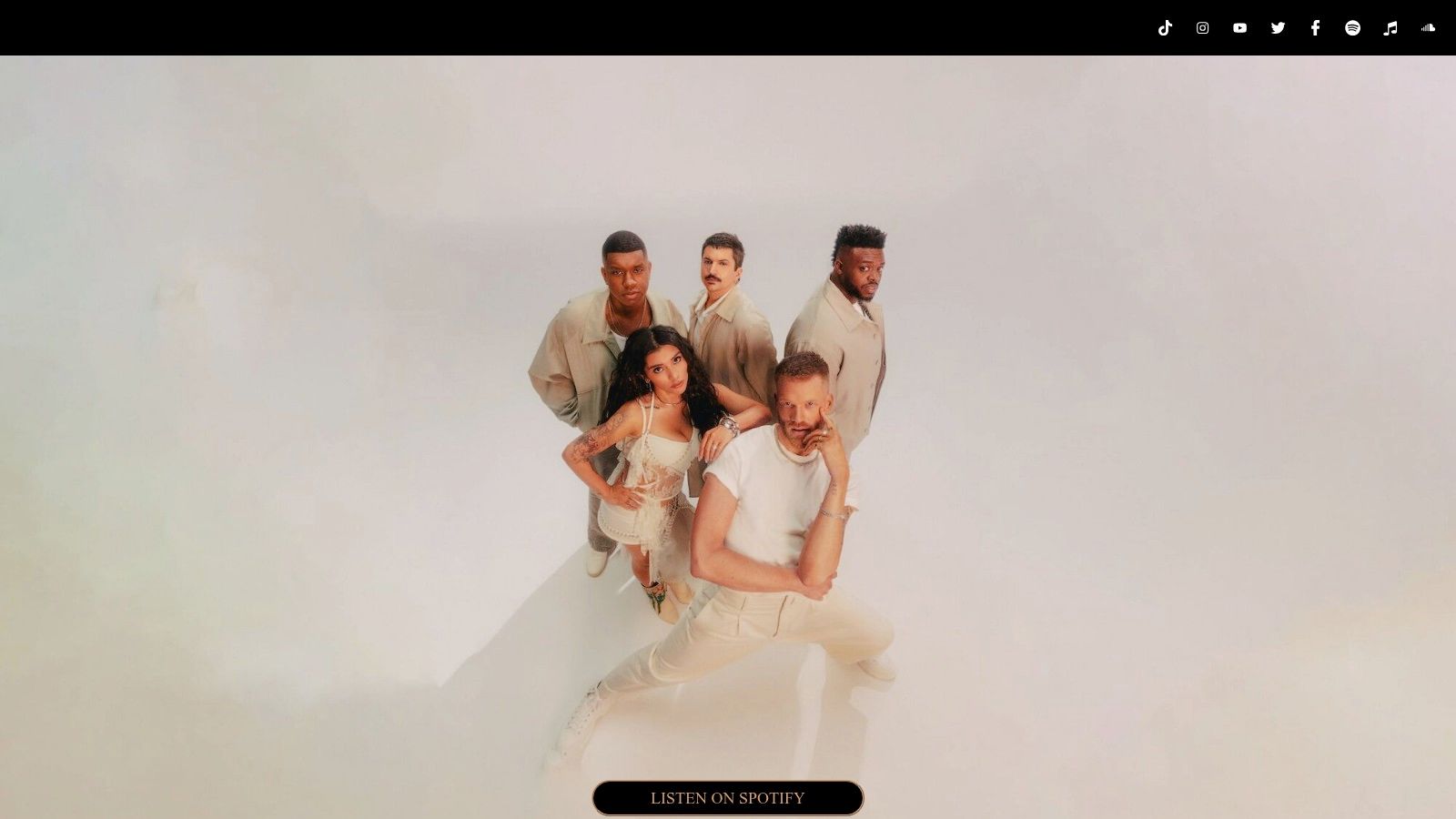
Their version goes for scale, clarity, and emotional timing. The solo handoffs are clean, the chord stack grows in the right places, and the arrangement resists the common a cappella mistake of showing off instead of serving the song. With "Hallelujah," that restraint matters. The melody already carries a lot of cultural weight, so adding too much harmonic decoration can make it feel precious or overdesigned.
Pentatonix keeps it readable. You hear the text, the rise, the release.
Why this one sticks
This is one of the easiest a cappella tracks to recommend to someone who does not spend their free time comparing tenor blend and vocal bass tone. It gives quick emotional payoff without asking the listener to admire the craft first, even though the craft is doing plenty of work underneath. That trade-off is real. Purists may want rougher edges or stranger voicings. Pentatonix chose accessibility, and in this case that choice works.
It also has a very specific visual palette. Pair it with warm firelight, amber light, dark wood, faint snow at the window, the whole tasteful-winter-fantasy setup. If you want to push that mood further, this guide to a cappella Christmas songs for a full seasonal listening mix fits naturally beside it.
Best for: winter playlists, shared speakers, and anyone who wants a cappella to feel grand rather than niche.
The downside is obvious. This version is everywhere. Choir rooms, family playlists, algorithmic holiday queues, all of it. But saturation does not erase good arranging. It just means the song has to work harder to feel alive again, and this one still does.
7. Peter Hollens, "I See Fire" (Ed Sheeran cover, 2013)
Late at night, with the room lights low and your desktop throwing back some dark mountain wallpaper, this is the track that makes your speakers feel twice their size. Peter Hollens takes Ed Sheeran's already smoldering song and turns it into a wall of human sound. No instruments, no choir in a church, just one guy stacking takes until the whole thing feels like a volcanic weather system.
What makes it work is the production discipline. Solo multitracked a cappella can go wrong fast. The blend gets glassy, the low end disappears, the big climax starts sounding like a folder full of duplicated waveforms. Hollens avoids that trap by shaping the layers like an arranger and a mixer at the same time. The bass has weight, the inner parts stay out of each other's way, and the percussion pushes the song forward without breaking the spell.
That trade-off is part of the appeal. You do lose the slight unpredictability that comes from several singers breathing and locking in together. In exchange, you get control. Every entrance lands where it should. Every harmony supports the mood. For a song built on dread, distance, and heat at the horizon, that precision helps.
It also belongs to a very specific internet-era strain of a cappella pop. Hollens helped prove that vocal music could thrive on video platforms without needing a full live group in frame. A familiar pop-adjacent song, a cinematic arrangement, clean visual branding, and enough vocal layering to make audio nerds squint at the screen and mutter, "okay, fair." That formula traveled.
The visual pairing here is obvious in the best way. Go for wallpaper categories that look scorched, nocturnal, and a little mythic. Black mountains, ember skies, forests at dusk, storm clouds rolling over a ridge. If your desktop looks like a fantasy map caught fire, you are in the correct aesthetic lane. You can watch and hear it at Peter Hollens' video page for "I See Fire".
Best for: headphone listening, late-night focus, fantasy-coded moodboards, and anyone who likes their a cappella dramatic enough to summon imaginary dragons.
It is slightly ridiculous. It is also very good. That combination tends to age well.
7-Track A Cappella Pop Comparison
| Track | Implementation complexity | Resource requirements | Expected outcomes | Ideal use cases | Key advantages |
|---|---|---|---|---|---|
| Pentatonix, "Daft Punk" (2013) | High, complex mash-up and tight edits | Full vocal ensemble, studio multitracking, beatbox/bass recording | Energetic, highly polished viral showcase | Modern a cappella introductions; upbeat playlists; performance demos | Grammy-winning arrangement; high production and visibility |
| Bobby McFerrin, "Don't Worry, Be Happy" (1988) | Moderate, multitracking and body percussion | Single vocalist with multitrack capability and basic studio mixing | Timeless, radio-friendly single with clear melody | Radio staples; family-friendly playlists; audio clarity tests | Historic chart success; instantly recognizable |
| Billy Joel, "The Longest Time" (1984) | Low–Moderate, doo-wop harmonies, simple form | Vocal ensemble, minimal late instrumentation, basic studio work | Nostalgic, choir-ready arrangement easy to cover | Choirs/collegiate groups; singalongs; nostalgia playlists | Universally singable; many available arrangements |
| Imogen Heap, "Hide and Seek" (2005) | High, intricate vocal processing and subtle mixing | Vocal harmonizer/processing gear (or plugins), careful studio monitoring | Intimate, otherworldly textures suited to focused listening | Headphone/critical listening; film/TV placements; experimental pop | Distinctive vocal processing; emotionally expressive and influential |
| Shai, "If I Ever Fall in Love (Original A Cappella Version)" (1992) | Moderate, stacked R&B harmonies, precise tuning | Tight male quartet, studio multitracking, skilled blend/tuning | Smooth R&B benchmark with warm nostalgic appeal | Male quartets; slow-jam playlists; tuning/blend references | Excellent quartet balance; strong nostalgic resonance |
| Pentatonix, "Hallelujah" (2016) | High, cinematic dynamics and clear part-writing | Ensemble, polished studio production, dynamic arrangement work | Emotional, widely accessible arrangement for varied settings | Holiday/crossover playlists; formal performances; new-listener gateway | Wide availability; crossover appeal and high view counts |
| Peter Hollens, "I See Fire" (2013) | High, one-person multitrack orchestration | Solo vocalist, extensive multitracking, quality mic and DAW, time | Cinematic solo-produced a cappella with strong stereo imaging | YouTube/home-studio showcases; production demos; educational content | Demonstrates solo multitracking possibilities; clear production and resources |
Turn Your Desktop Into a Vibe
You queue up "Hide and Seek" at midnight, the room is dark, the synth-choir ache kicks in, and your desktop is still showing the default mountain wallpaper like it pays taxes. The song deserves better. So does your screen.
These seven tracks already suggest a visual world if you listen like a producer and a designer at the same time. Pentatonix's "Daft Punk" has polished edges, neon color, chrome reflections, and the kind of motion that looks expensive in a slightly ridiculous way. Bobby McFerrin's "Don't Worry, Be Happy" sounds like sun-faded animation, loose sketch lines, and loops with actual personality. Billy Joel's "The Longest Time" fits diner light, amber windows, and grainy city-night scenes. "Hide and Seek" lives in blue-violet haze, rain on glass, soft shadow, and one lonely light source doing all the emotional labor.
The rest are just as specific. Shai's "If I Ever Fall in Love" wants velvet-dark color, candlelight, and slow romantic motion. Pentatonix's "Hallelujah" pairs well with winter skies, cathedral-scale light, and snow that falls like it has nowhere urgent to be. Peter Hollens' "I See Fire" practically begs for embers, mountain silhouettes, smoke, and fantasy-coded wilderness.
That is the primary fun here. The list works as a listening guide, but it also works as a moodboard.
If you want the full version of that mood, pair each song with a gifPaper wallpaper category that matches the vocal texture instead of treating your desktop like random background filler. "Daft Punk" fits cyberpunk or neon loops. "Don't Worry, Be Happy" works with playful animation and sunny scenes. "The Longest Time" sits nicely against vintage interiors and warm light. "Hide and Seek" needs rainy windows and moody dark visuals. Shai belongs with soft-focus night shots and slow romantic loops. "Hallelujah" suits winter scenes and wide sky views. "I See Fire" wants forests, mountains, and actual flame.
As noted earlier, gifPaper for Mac lets that pairing carry across your desktop, lock screen, and screen saver through Apple's Aerial format. I like the idea because it solves a real taste problem. Audio sets one mood, visuals set another, and the mismatch is more distracting than people admit.
The pricing also makes sense. There's a free trial, then a one-time purchase with a money-back window. No monthly fee hanging around just because you wanted your laptop to look like it listens to the same music you do.
If your playlist already has a point of view, your desktop should have one too.