Rain Aesthetic: Why We Love Moody Weather and Cozy Vibes
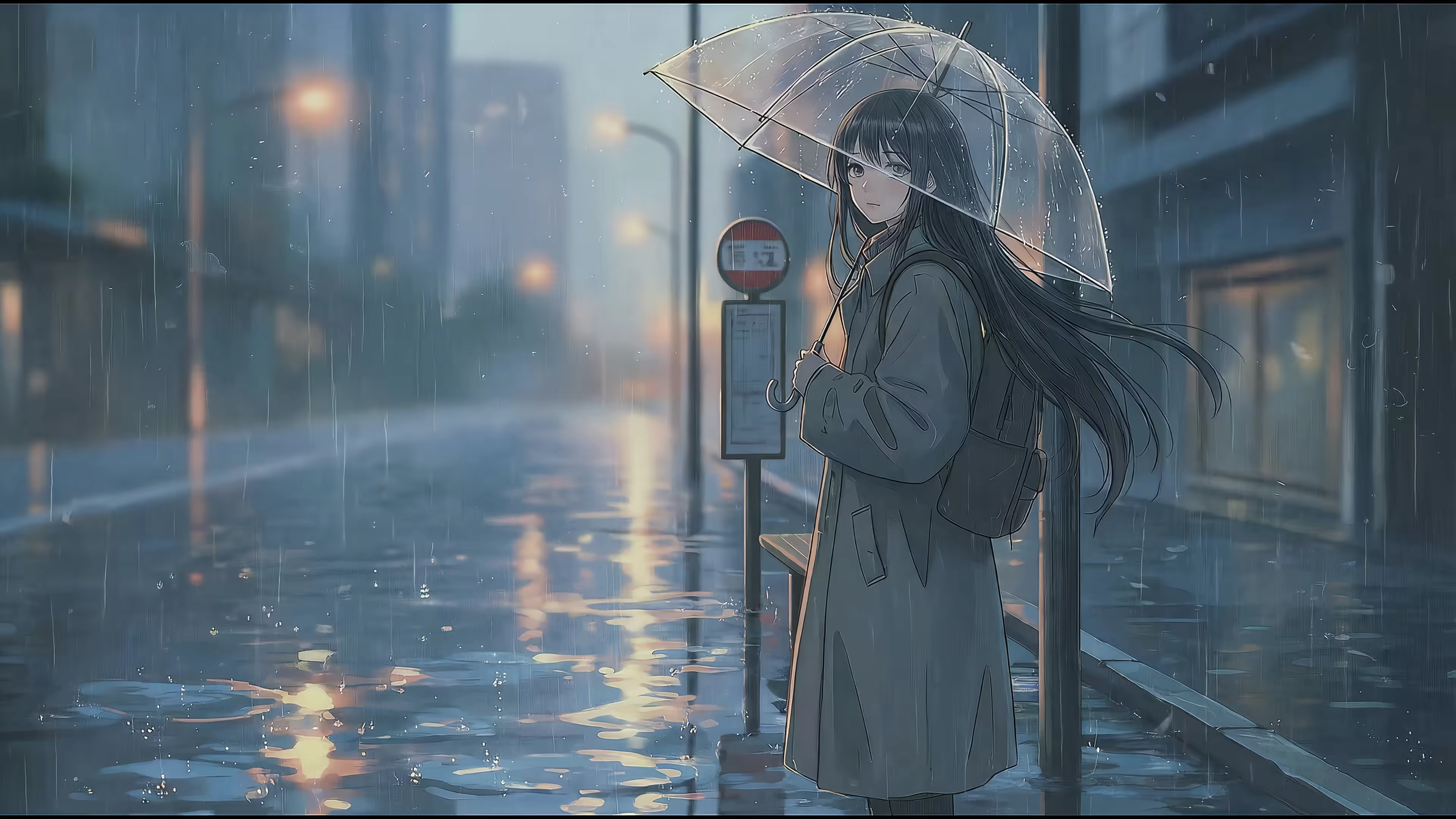
The rain aesthetic isn't just about water falling from the sky. It's a whole mood. It's the romantic, slightly melancholic feeling of watching a downpour from a warm room. It's the cinematic beauty of wet city streets reflecting neon signs. It's the universal permission to slow down, get cozy, and appreciate the quiet beauty in a grey day.
The Universal Appeal of a Rainy Day
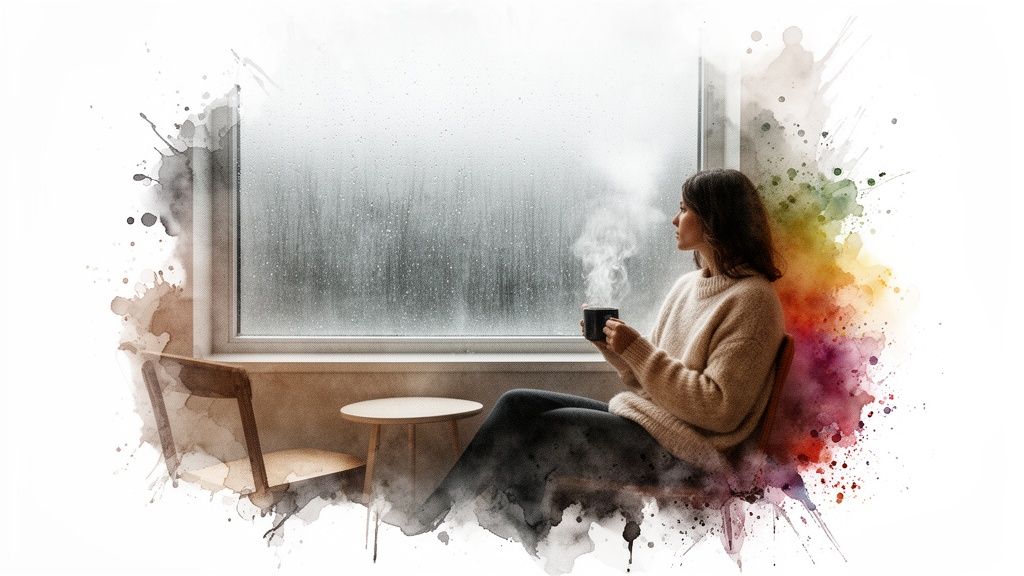
There's a reason a sudden rain shower feels like a collective sigh of relief. The unspoken pressure to be productive, to be outside, evaporates. Rain is the ultimate excuse to stay in, wrap yourself in a blanket, and just watch the world get a good rinse.
This feeling hits something deep. You know that distinct, earthy smell when the first drops hit dry soil? That's petrichor. It's one of the most universally beloved scents on the planet, wired into our ancestral memory and tied to renewal, life, and the promise of growth. It's no wonder it feels so grounding. The rain washes away more than just dust; it feels like it clears out the day's stress, too.
Warm Inside, Wild Outside
At its heart, the rainy day aesthetic thrives on contrast: the wild, wet world outside versus the warm, safe one you've created inside. It's the profound comfort of being shielded from the elements while appreciating their beauty from a distance.
Leaning into this is about cultivating that personal haven. Simple things do the trick, but if you want to go all-in, you could explore cozy home decor ideas to perfect your retreat. This concept of a personal sanctuary is huge for the whole vibe. The cozy aesthetic guide digs deeper into it. It's about turning your space—and by extension, your digital one—into a shelter. All the atmosphere, none of the damp socks.
How Rain Makes a City More Beautiful
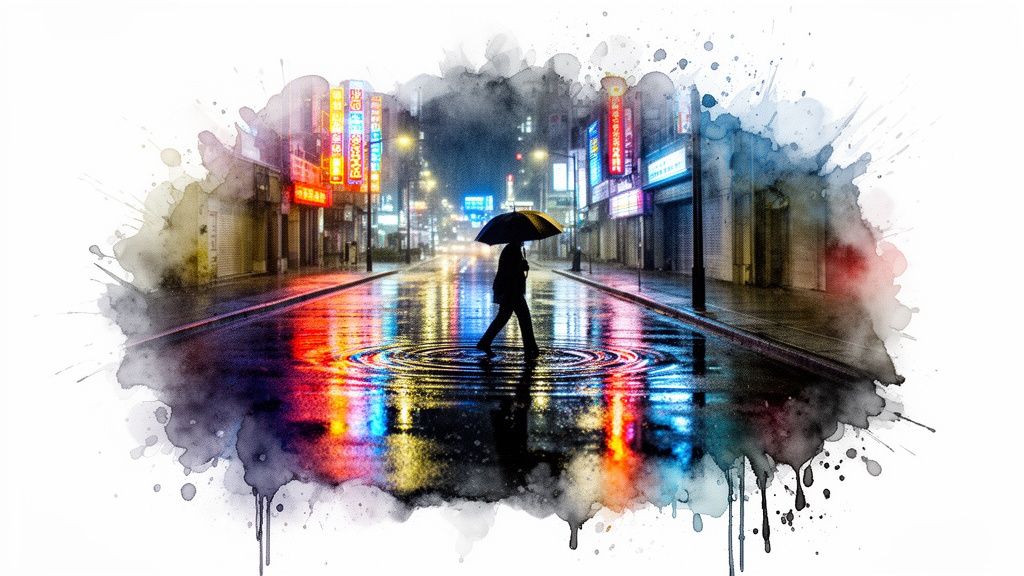
A city in the rain shouldn't be beautiful. Logic says it should be grey, miserable, and inconvenient. But somehow, it's the opposite. The rain aesthetic comes alive, turning concrete and steel into a moody, glistening dreamscape.
Rain is nature's Instagram filter. Wet asphalt becomes a dark mirror, doubling every streetlight and neon sign. Puddles create shimmering, temporary portals that reflect the world upside down. Boring surfaces get a cinematic sheen, their textures suddenly rich with detail. The roar of traffic softens to a gentle hiss. The city stops being a place of function and becomes a canvas of light, shadow, and reflection.
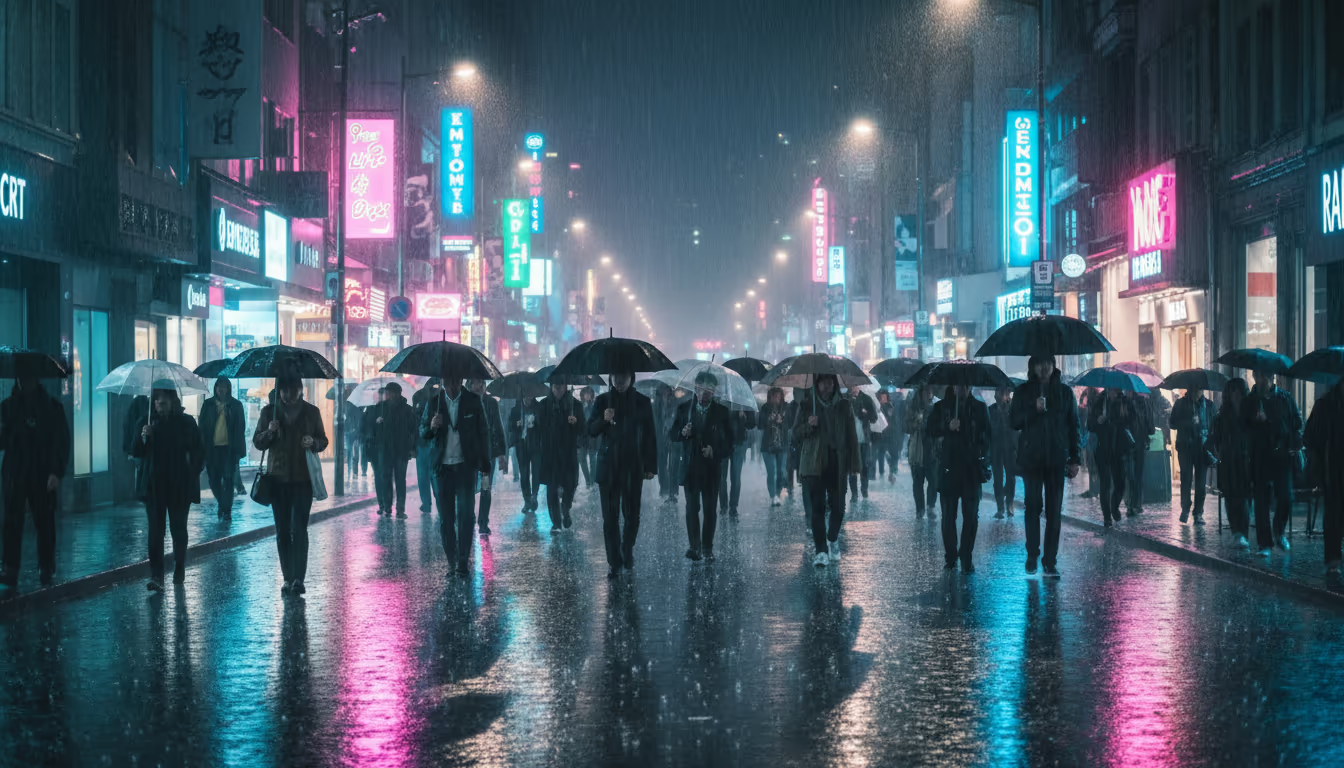
This effect is especially powerful at night, which is a big part of the night aesthetic. A downpour dials that up, adding a layer of gloss to everything. This constant play of light on wet surfaces is the entire point of the dark wallpaper and neon wallpaper collections. They capture that exact moment when a city feels most alive.
Rain in Cinema: From Blade Runner to Your Name
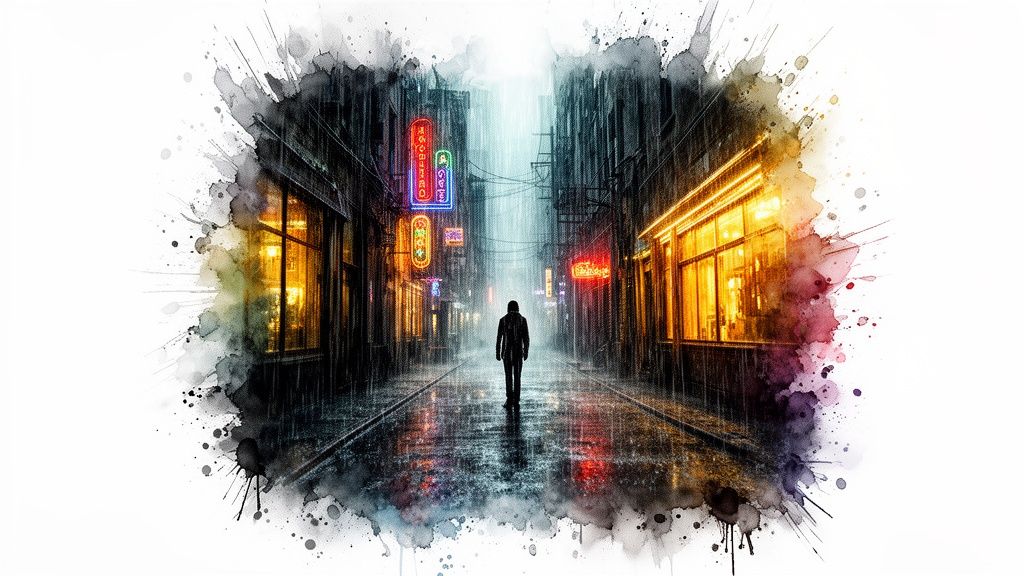
In film, rain is never just weather. It's a mood. A plot device. A character. Directors use it to drench scenes in emotion, turning a simple conversation into a dramatic confession or a boring street into a work of art.
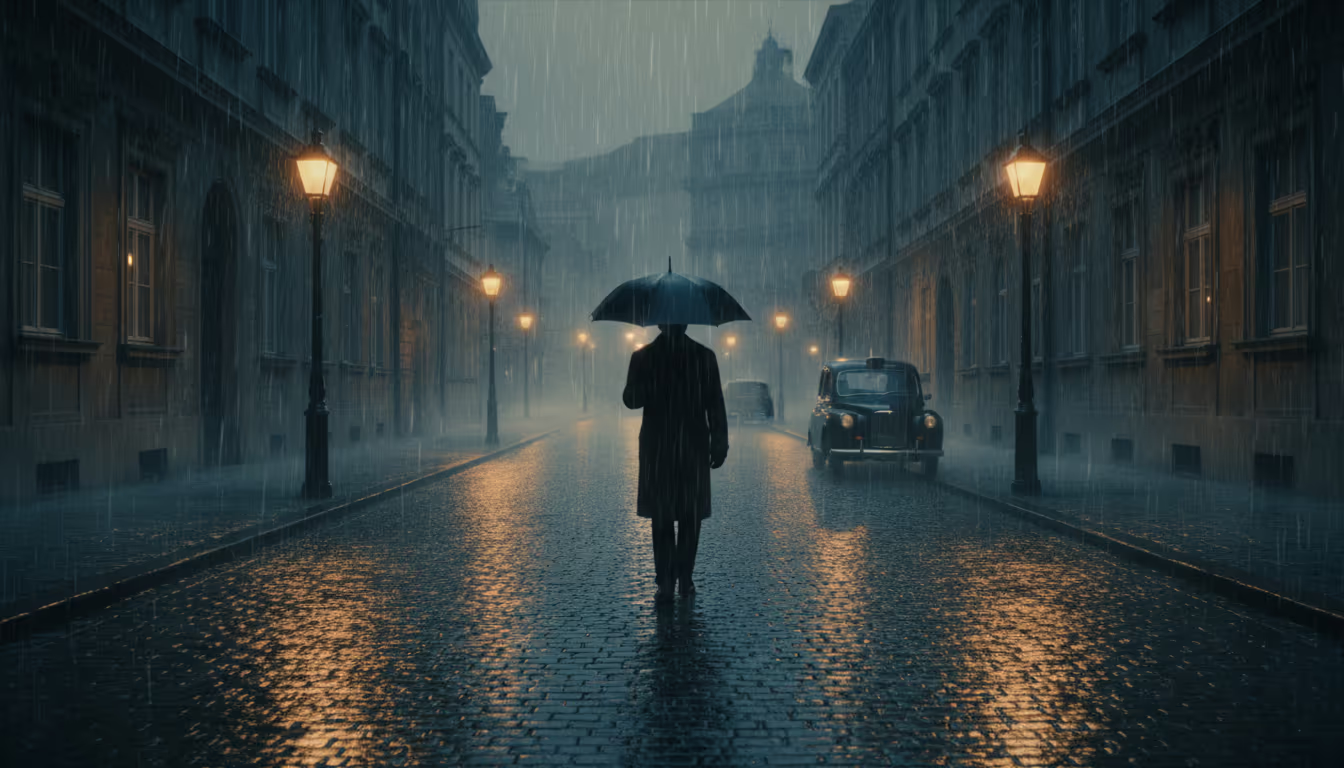
Take Blade Runner. The constant downpour wasn't just an artistic choice; it was a clever production hack to hide set imperfections. That happy accident ended up defining the entire cyberpunk genre. Those rain-slicked, neon-drenched streets became the visual shorthand for a future that's high-tech but emotionally weathered.
But rain isn't always gloomy. In Singin' in the Rain, Gene Kelly splashing through puddles is pure, unadulterated joy. In Park Chan-wook's Oldboy, the legendary corridor fight is made grittier by the storm raging outside, its lightning flashes illuminating the chaos.
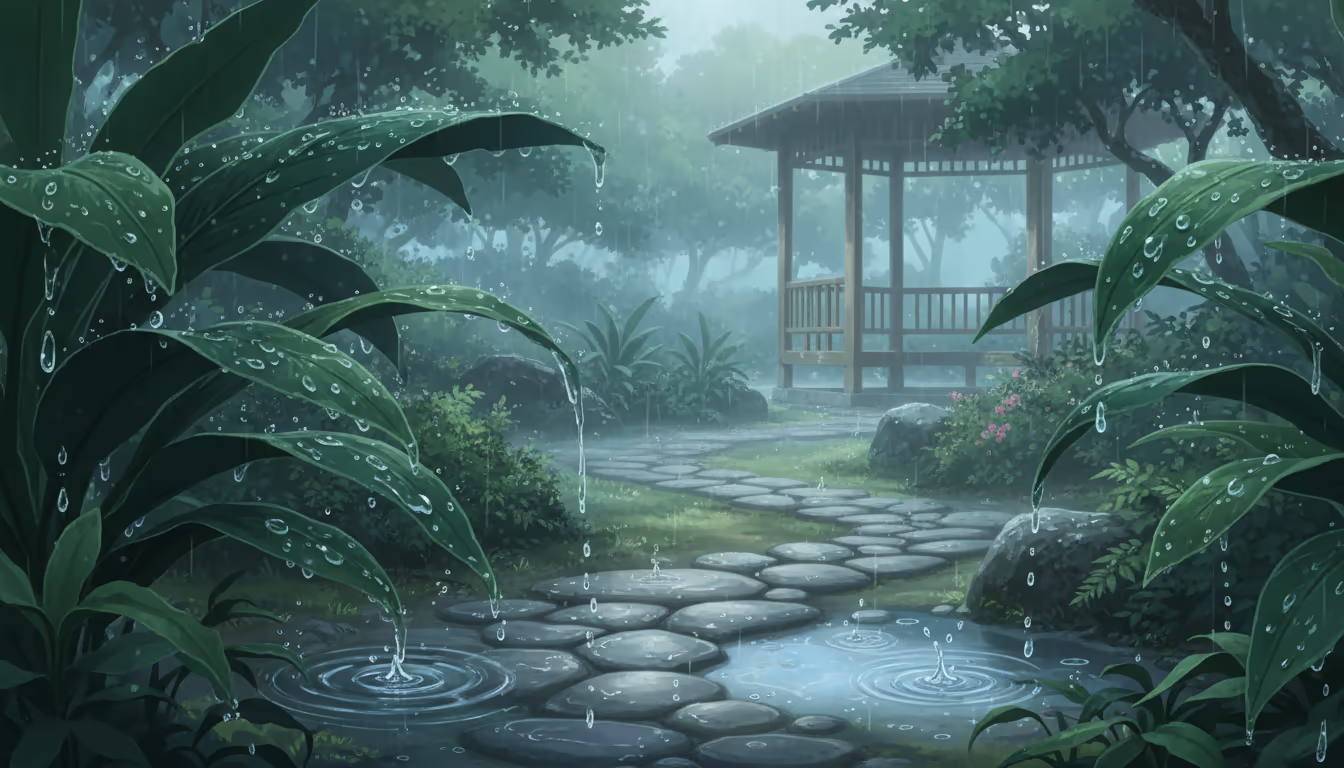
And then there's animation. When it comes to sheer beauty, nobody captures rain like Japanese animation, particularly the work of Makoto Shinkai. His film The Garden of Words is arguably the high-water mark for animated rain. Every drop is rendered with obsessive detail—hitting leaves, pooling on pavement, tracing paths down windowpanes. The rain isn't a backdrop; it's the catalyst that brings the two lonely protagonists together. This meticulous attention reveals a deep cultural appreciation for the quiet, contemplative moments a rainy day provides, a theme echoed in the Japanese art tradition of ukiyo-e.
The Lofi Vibe: Rain on a Window
There's a reason 10-hour YouTube loops of "rain on a window" get millions of views. It's the digital equivalent of finding the perfect seat in a coffee shop on a stormy day. It's not just a trend; it's a subculture built around a simple, powerful feeling of manufactured calm.
This phenomenon has a scientific basis. The steady, gentle drumming of rain is a form of pink noise—a sound that masks harsher, more distracting noises. It helps you focus, calms anxiety, or just makes it easier to sleep. It's a personal sound cocoon that shuts out the world's chaos. Of course, to get the benefit, you need a reasonably quiet space. If your environment is noisy, things like the best noise reducing curtains can make a huge difference.
The real magic happens when you pair the sound with the visuals. A static photo of a rainy window is nice, but it misses the point. The aesthetic is in the motion—the constant, gentle drift of droplets. This is where a live wallpaper nails it.
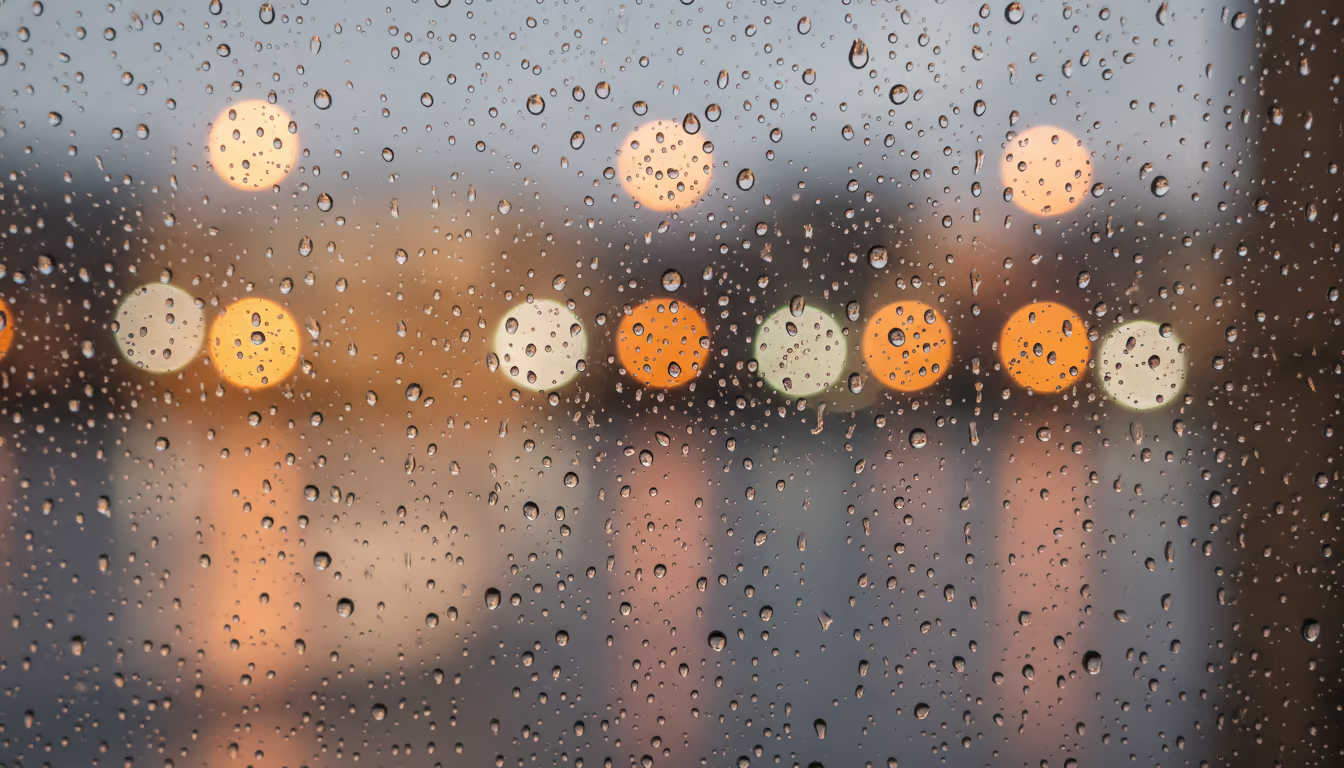
A living wallpaper transforms your Mac from a simple tool into a personal sanctuary. You get the sight of rain-streaked glass and the gentle, looping sound of a downpour. It completes the sensory picture, giving you the full benefit of that sound cocoon whenever you want it, no matter the weather.
Capture the Rainy Day Aesthetic on Your Mac
Knowing why you love the rainy aesthetic is one thing. Bringing that mood to your Mac is another. This is where you go from appreciating the vibe to living in it, even if your real-life forecast is clear skies. The entire lofi wallpaper collection is basically built around this feeling.
A static image of rain is fine, but it's a snapshot of a moment. The magic of rain is its continuity—the endless, calming loop of droplets streaking down glass or the hypnotic shimmer of wet city streets. A live wallpaper isn't a picture; it's a window.
You're going to stare at this screen all day anyway. It might as well be a portal to a world where the weather is always perfect for staying inside.
Your Own Personal Window to a Rainy World
Let's be direct: you will look at your Mac for hours today. It might as well be a gorgeous, rain-streaked window instead of the default mountain range. This whole guide has been about a feeling—that calm, cinematic, cozy aesthetic of a rainy day. Now you can make it your Mac's permanent weather forecast.
That's what gifPaper does. It's a Mac app that sets beautiful, seamlessly looping 4K videos as your lock screen, desktop, and screen saver. These aren't grainy GIFs from 2004; they're high-quality scenes with ambient audio that turn your monitor into a living piece of art.
The Obvious Next Step
Other wallpaper apps can feel like clunky overlays. So I built gifPaper differently. It's the first and only app that uses Apple's native Aerial wallpaper format—the same system Apple uses for its own video wallpapers.
This means when you wake your Mac, the lock screen video slows to a stop exactly like Apple's own, but with your chosen rainy day scene. It's a tiny detail that makes a huge difference.
Here's the deal: * A one-time purchase. It's $4.99 at launch. Not a subscription. Buy it once, own it forever. * Live Lock Screens & Desktops. A living wallpaper on your lock screen, a beautiful still frame on your desktop by default, and a toggle for full video animation. * 150+ wallpapers (and growing). From lofi rain scenes to the neon-drenched streets of the neon wallpaper collection.
You can try it completely free for 7 days. No credit card required. All wallpapers, all features. See if you like it. If you do, it's about the price of one fancy coffee for a permanently better-looking Mac. If not, no problem.
Ready to trade your static background for a perfect rainy day? Download the free trial of gifPaper for Mac at gifpaper.com/macos-app.