Grunge Aesthetic: A Guide to the Raw, Unfiltered 90s Vibe
The grunge aesthetic is so much more than flannel shirts and ripped jeans. It's a raw, unfiltered attitude born from the rainy-day boredom of 1990s Seattle—a visceral rebellion against the polished, excessive glamour of the 1980s, all set to a soundtrack of distorted guitars and angsty lyrics.
It was maybe the last major youth subculture to exist and explode globally before the internet flattened everything. It felt raw and real because it was. There were no influencers, no algorithms—just a shared feeling, a sound, and a whole lot of rain.
Ground Zero: Seattle, 1991
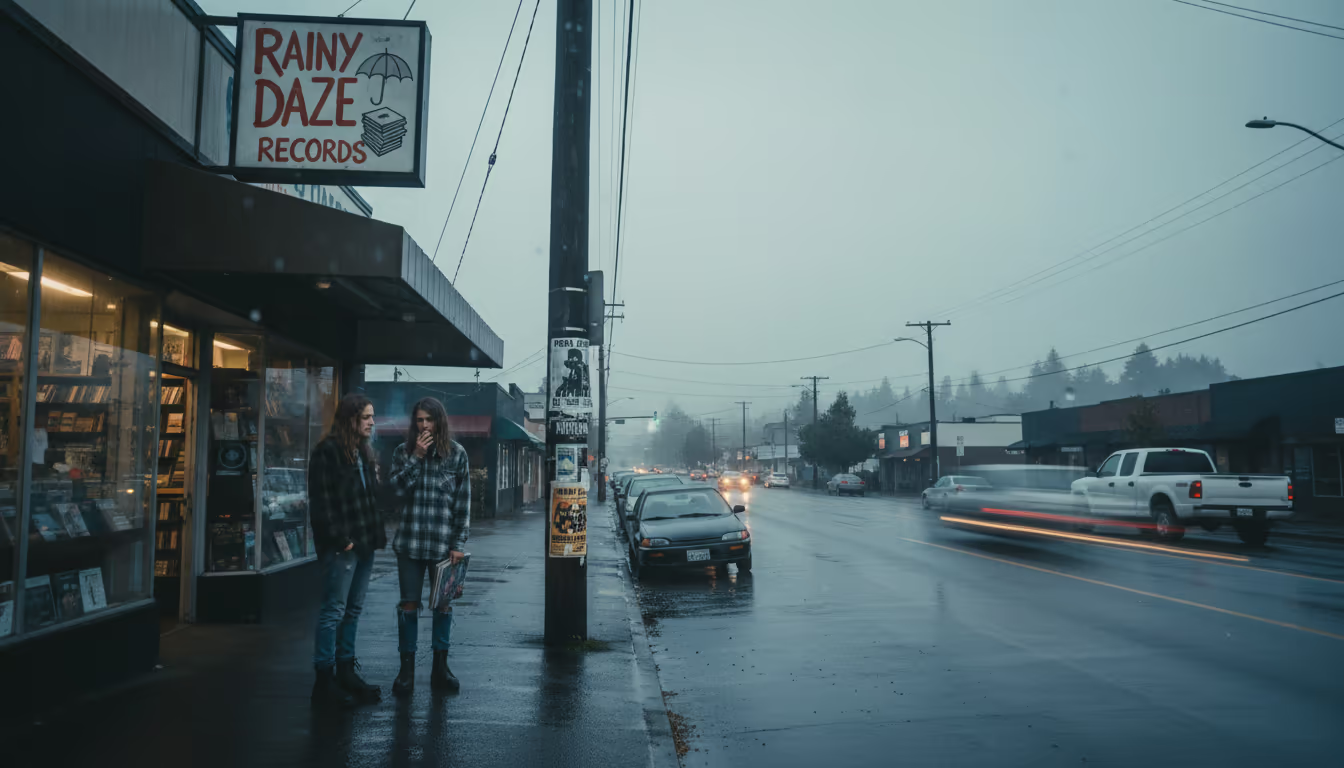
Before grunge was a global phenomenon, it was just… how people dressed in the Pacific Northwest. Picture Seattle in the late 80s and early 90s. It was overcast, perpetually damp, and felt a million miles away from the neon-soaked excess of mainstream America. Young people, bored and disconnected, built their own scene from the ground up.
And that scene was built on sound. The "Seattle Sound"—a muddy, sludgy mix of punk rock and heavy metal—came roaring out of garages and damp basements. Bands like Nirvana, Pearl Jam, Soundgarden, and Alice in Chains gave a voice to a generation that felt completely disenfranchised.
The core idea was simple: grunge was never a manufactured style; it was an anti-style. It was an attitude of not caring, born from practicality and a deliberate rejection of fashion itself.
The Uniform of Authenticity
The now-iconic grunge look wasn't a fashion statement; it was just practical. Flannel shirts, thermal underwear, and heavy Doc Martens were smart choices for the cold, wet climate. Jeans were worn until they literally fell apart. Everything else came from the thrift store because it was cheap.
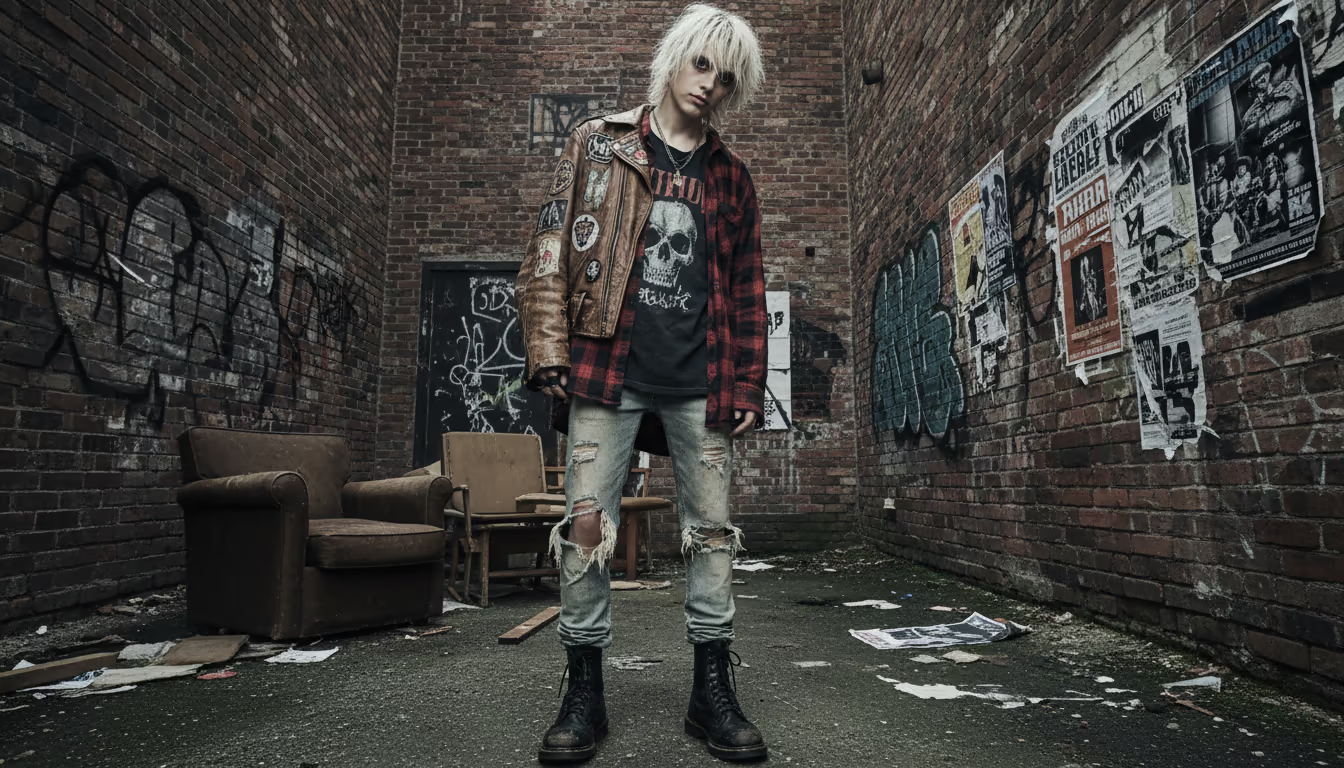
This rejection of consumerism became a core part of the 90s grunge aesthetic. It was a middle finger to the hairspray-heavy, shoulder-padded opulence that defined the decade before. The whole vibe is tied directly to the music scene, so understanding the era's visual culture is key. You can find great examples in things like retro music posters that capture the essence of the period perfectly.
From Local Scene to Global Takeover
Grunge exploded onto the global stage in the early 1990s, catapulting from Seattle's rainy garages to turn thrift-store practicality into high-fashion rebellion. By mid-1992, it had smashed into the mainstream, peaking hard in late 1993 and early 1994 when flannel and Doc Martens became the uniform for anyone dodging 80s gloss.
Nirvana's Nevermind, released in 1991, sold over 30 million copies worldwide and made Kurt Cobain the reluctant poster boy for this whole messy, authentic vibe. Major label signings of Nirvana, Pearl Jam, Soundgarden, and Alice in Chains pushed sales into the stratosphere.
What made it so special was its timing. The grunge aesthetic was maybe the last major youth subculture to exist and explode globally before the internet flattened everything. It felt raw and real because it was. There were no influencers, no algorithms—just a shared feeling, a sound, and a whole lot of rain.
The Visual Language of Grunge Design
The raw, unpolished sound of grunge didn't just stay in the garage; it bled out onto the page and created a whole new visual language. Just as the music rejected slick pop production, grunge design spit in the face of clean, corporate perfection. It was a deliberate, messy deconstruction of everything people considered "good design" at the time.
At the very heart of this visual chaos was a graphic designer named David Carson. His work on Ray Gun magazine essentially became the movement's graphic manifesto. Carson didn't treat typography as a tool for clear communication; he treated it like an expressive art form, gleefully breaking every rule in the book. Letters were smashed together, photos were distorted, and layouts felt intentionally broken.
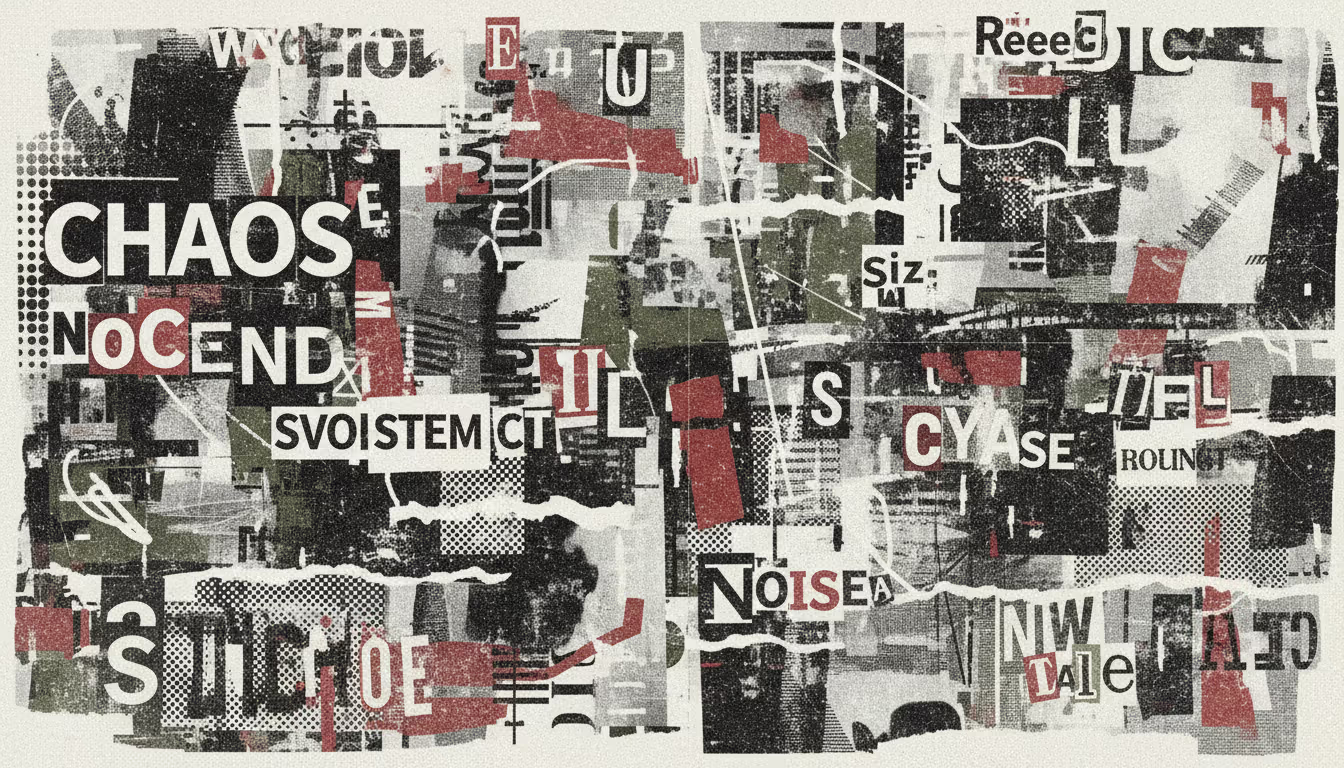
The goal wasn't legibility; it was feeling. Grunge design was supposed to make you feel the same raw, electric energy you got from a Nirvana riff or a Soundgarden scream. It was a visual middle finger to order and predictability.
This raw approach quickly defined the grunge art style, showing up everywhere from album art to concert flyers. Its visual DNA was unmistakable.
The Anatomy of Grunge Style
The grunge look wasn't just about what you saw, but how it was made to look. It was all about a raw, deconstructed vibe built on a few key pillars:
- Distressed Textures: Think grainy photocopies, crumpled paper, torn edges, and accidental ink smudges. Perfection was the enemy; every single flaw was a feature.
- Chaotic Typography: The infamous "ransom note" effect, using mixed-and-matched fonts, was a staple. Type was often stretched, blurred, or layered until it was almost unreadable.
- Gritty Photography: High-contrast, grainy, and often out-of-focus black-and-white photos were the go-to. The images captured a sense of raw immediacy, like a snapshot pulled from a mosh pit.
After Nirvana's Nevermind exploded in 1991—eventually selling 30 million copies—designers scrambled to mimic that same distressed, authentic feel. The sleek, polished vibes of the 80s were out. Imperfections and uneven typefaces were in.
By the mid-90s, this visual grit had taken over ads and posters across the globe. Fast-forward to today, and its influence is still massive—by 2026, TikTok searches for #grungeaesthetic shot past 2 billion views, proving just how much staying power it has. You can read more about how grunge transformed graphic design to see its lasting impact.
Core Elements of Grunge Visual Design
Here's a look at the key visual components that give grunge design its distinctive, gritty character.
| Visual Element | Description | Why It's Grunge |
|---|---|---|
| Distressed Textures | Scratches, folds, tape, grain, and stains. Looks like it's been through a lot. | It rejects digital perfection and values a sense of history and wear. |
| Chaotic Typography | Overlapping text, mixed fonts, and broken letterforms. Readability is secondary. | It mirrors the chaotic energy of the music and defies traditional design rules. |
| Gritty Photography | High-contrast, grainy, often blurry black-and-white or muted color photos. | Captures raw, unpolished moments, like a documentary photo, not a studio shoot. |
| Muted Color Palette | Earthy tones, faded colors, and lots of blacks, grays, and off-whites. | It feels grounded, lived-in, and avoids the bright, optimistic colors of pop. |
| Torn & Layered Elements | Ripped paper, collage-style layouts, and visible layers, like a punk rock flyer. | It creates a sense of depth and imperfection, as if it was assembled by hand. |
These elements aren't just historical footnotes; they're a toolbox for creating a specific mood.
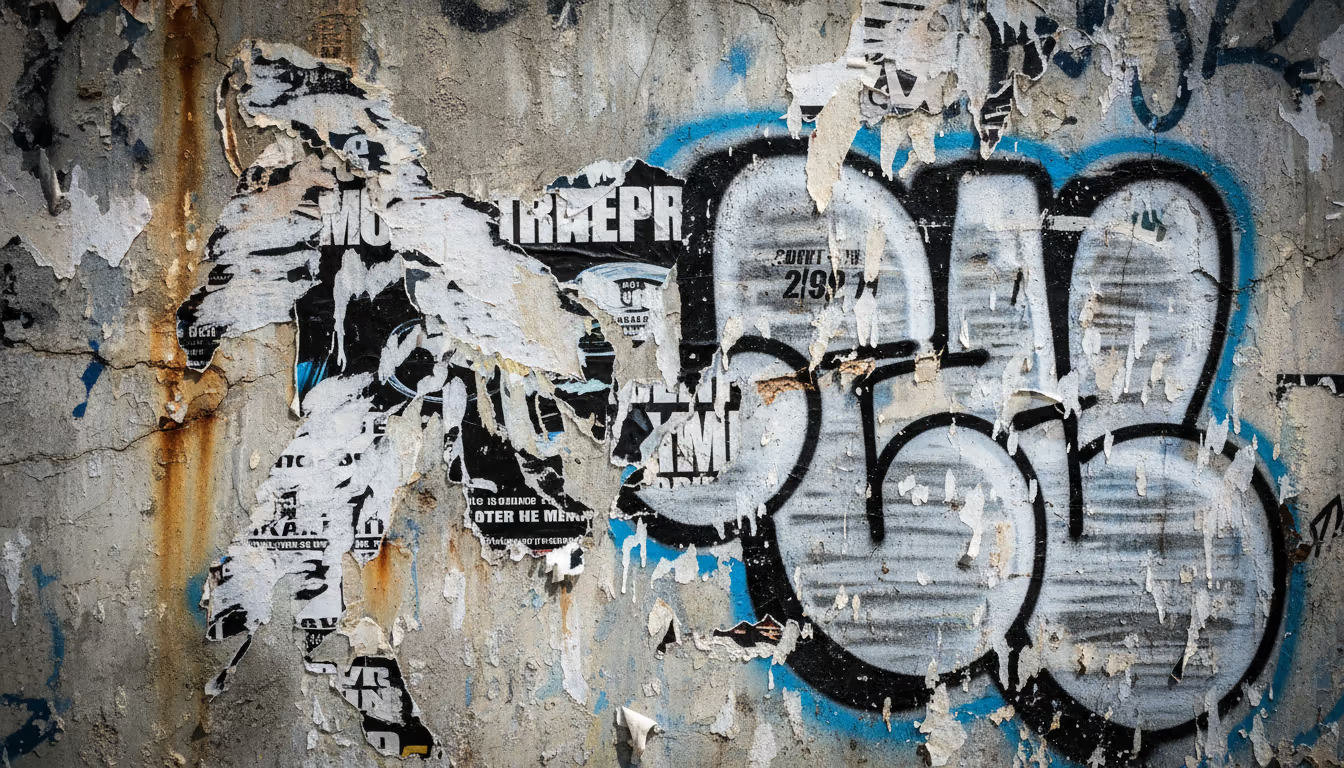
The spirit of grunge design lives on, not just on posters but right on screens. Its emphasis on mood, texture, and a certain kind of beautiful darkness is a perfect fit for a modern desktop. The right wallpaper can capture that same raw, untamed energy—a quiet rebellion against a clean and boring workspace.
Why the Grunge Aesthetic Never Really Died
Grunge burned out as a mainstream force almost as fast as it caught fire. Kurt Cobain's death in 1994 is often marked as the symbolic end, and by 1997, bands like Soundgarden had called it quits. And yet, here we are, decades later, with the ghost of grunge still rattling its chains on TikTok, runways, and in the collective psyche. Why?
Because grunge stands for something that feels increasingly rare: authenticity. In a world of polished influencers and meticulously curated digital lives, the raw, unapologetic imperfection of grunge feels more real—and more attainable—than ever. It was the last major subculture to truly explode before the internet, which gives it a pre-digital purity that simply can't be faked.
Its endurance isn't just about 90s nostalgia. It's a modern pushback against the pressure to be perfect. Choosing grunge is choosing to be real, flaws and all.
A Modern Resurgence
Grunge's short, bright flare left a permanent scorch mark on culture. It bubbled up from Seattle's mid-80s Sub Pop scene before Nevermind, Nirvana's 1991 breakthrough, sold over 30 million copies and unceremoniously ended the reign of hair metal. Its influence was so deep that outlets like GQ were pointing to TikTok—with its billions of #grunge views—and artists like Charli XCX as key players in its revival. You can get more details on its long and winding history on aesthetics.fandom.com.
The style never really went away; it just went back underground and started to morph. It got absorbed into other aesthetics, proving just how versatile its core ideas are. The textural, moody side of the modern gothic aesthetic owes a huge debt to grunge's love of decay and grit. You can even spot its DNA in the darker, more introspective corners of the lofi world, which shares that appreciation for a certain kind of beautiful melancholy. If you want to explore that connection, check out our guide on the lofi aesthetic.
The raw energy of the 90s grunge aesthetic has proven timeless because the feelings it taps into—alienation, rebellion, a hunt for something real—never go out of style. This isn't about bringing back the past wholesale; it's about using its vocabulary to talk about the present. It's a permanent part of the cultural toolkit for anyone who feels like the world is a little too clean and a little too loud. Grunge is the quiet, static-filled hum underneath it all.
Capturing the Grunge Vibe on Your Mac Desktop
So, how do you get decades of flannel-clad angst and distorted guitar feedback onto your Mac? Let's be honest: gifPaper doesn't have a "Seattle Garage, circa 1991" category. You won't find a looping video of someone in ripped jeans staring moodily at the rain.
But that's not the point. The grunge aesthetic was never about memorabilia; it was about a mood. It's about raw texture, a certain beautiful decay, and an energy that rejects polished perfection. That spirit is very much alive—you just have to know where to look.
The real home for this feeling lives in gifPaper's dark wallpaper collection. This is where the grunge aesthetic finds its modern, digital soulmate. It's less about literal translations and more about capturing that raw, untamed energy.
The goal isn't to stick a picture of Kurt Cobain on your desktop. It's to make your screen feel like a Sub Pop record sounds: textured, a little moody, and unapologetically real.
Kindred Spirits of Grunge
Think of these wallpapers not as grunge artifacts, but as visual cousins. They share the same DNA: beautiful decay, a foreboding atmosphere, and untamed power.
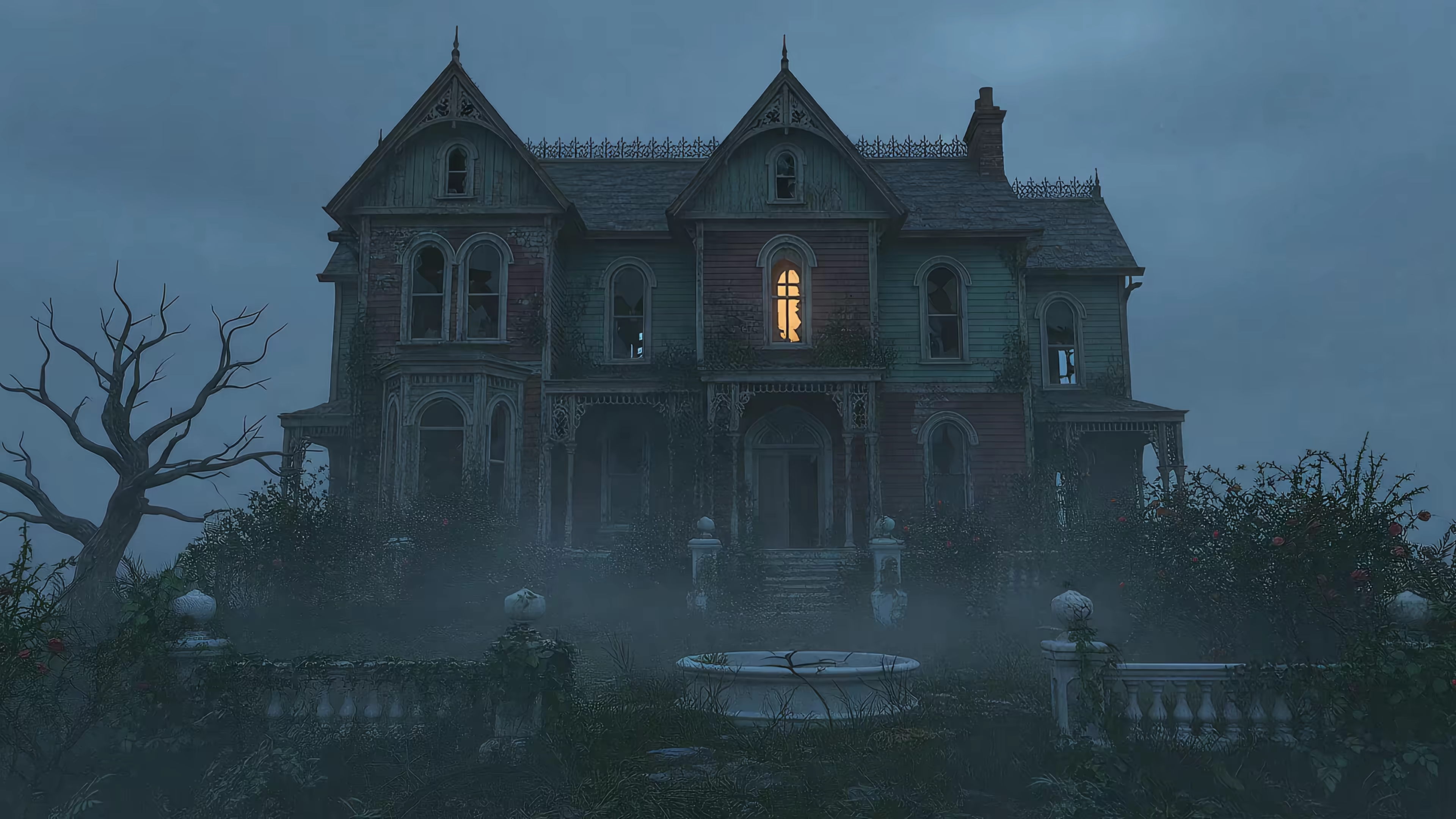
An old, crumbling house carries the same weight as a worn-out thrift store jacket. It's a testament to time and imperfection, with a story that's anything but pristine. This is the visual equivalent of grunge's rejection of the new and shiny.
Similarly, a solitary, foreboding structure against a stormy sky speaks to the isolation and introspection often found in the music. It's dark, dramatic, and steeped in atmosphere. It has that "world against me" feeling without needing a single lyric.
Raw, Untamed Power
Finally, the raw power of grunge—its distorted, explosive sound—finds a parallel in the raw power of nature. Think less of serene landscapes and more of nature at its most primal and unforgiving.
A volcano, for instance, is the perfect visual metaphor. It's pure, untamed energy, simmering just below the surface before erupting with chaotic force. It's the visual equivalent of a quiet verse exploding into a thrashing, cathartic chorus.
Choosing the right wallpaper is just the first step. If you're new to this, learning how to change your Mac wallpaper is simple and unlocks a whole new level of personalization.
Ultimately, getting the grunge aesthetic on your Mac is about finding visuals that feel authentic and textured. It's about choosing mood over memorabilia, turning your desktop from a sterile workspace into something with a bit of soul and a story to tell.
How to Turn Your Mac Into a Grunge Masterpiece
Alright, you've soaked in the history and you get the visual language. Now for the fun part: bringing that raw, unapologetic energy to the one screen you stare at all day. It's time to give your Mac a proper grunge makeover.
The process is refreshingly simple. With the gifPaper for Mac app, you can browse the entire collection of 150+ wallpapers and set the mood with a single click. No messing with system files, no weird workarounds. It just works.
The real magic is how deep the takeover goes. I built gifPaper as the first and only app that uses Apple's native system for live wallpapers. This means when you set a wallpaper, it takes over everything—your lock screen, your desktop, and your screen saver.
A Seamless Aesthetic Takeover
Waking your Mac up becomes an event. Instead of a boring static image, you're greeted by a living, breathing scene that smoothly slows to a stop as you unlock. It works exactly like Apple's own video wallpapers. It's seamless, it's beautiful, and it makes your Mac feel like yours from the second you touch it.
This total integration is what makes all the difference. Other wallpaper apps might give you an animated desktop, but they can't touch the lock screen. With gifPaper, the vibe is consistent from start to finish. If you're new to this whole world of animated backgrounds, you can learn more about how to get live wallpapers on Mac in our detailed guide.
Lock Screen, Desktop, and Screen Saver in One
Your grunge takeover happens in three key places:
- The Lock Screen: This is your Mac's first impression. A looping, high-res wallpaper greets you every single time you wake it up.
- The Desktop: By default, it's a gorgeous still frame so it doesn't distract you from work. But if you want the full-motion experience while you work, a simple toggle brings it to life.
- The Screen Saver: Suddenly, screen savers are cool again. Your chosen wallpaper becomes a cinematic display when you're away from your desk. All the mood, none of the screen burn-in.
For a one-click solution that handles your entire Mac experience, gifPaper delivers the complete package. It's the simplest way to make sure your digital space has as much personality as you do.
You're going to be staring at your Mac for hours anyway. It might as well look cool. All this history and angst isn't just for a museum; it's a feeling you can bring right to the screen you use every day. Why settle for a default background when you can have a whole mood?
The grunge aesthetic is about ditching the polished, boring norm. That's where gifPaper for Mac comes in. It's the tool for turning your digital space into something with a bit more soul.
You're not just changing a wallpaper. You're making a statement that a little bit of beautiful decay is better than sterile perfection.
Ready to give it a shot? There's no risk. You can download gifPaper and start a 7-day free trial right now—no credit card needed. You get full access to the entire library of 150+ looping 4K wallpapers, including the whole dark wallpaper collection.
If you love it, the app is a one-time $4.99 purchase (that's the launch price), not another subscription to forget about. And if you don't? There's a 30-day money-back guarantee.
Your Mac is a space you inhabit. Make it one worth looking at. Download gifPaper and give your Mac the aesthetic it deserves.
A Grunge Aesthetic FAQ
Still have questions? Good. It's a vibe, not a science. Here are the answers to the questions I hear most often.
What Are the Key Colors of Grunge?
Think of a rainy day in Seattle. That's your palette. It's built on a foundation of muted, earthy tones—olive green, dark brown, and beige. These are almost always anchored by the basics: black, charcoal grey, and the faded blue of your most worn-out jeans.
The main pop of color? Deep, murky red, usually from a flannel shirt. It's a color scheme that feels grounded, lived-in, and totally unpretentious.
Is Grunge the Same as Gothic?
Not even close. They're different animals entirely. While both aesthetics appreciate a darker mood, they come from completely different places. The gothic aesthetic is all about romanticism, literature, and drama—think lace, velvet, and a certain theatrical melancholy.
Grunge, on the other hand, is rooted in gritty realism and a deliberately anti-fashion attitude. It's less about romanticizing darkness and more about finding beauty in the raw, unfiltered reality of everyday life. One is a dramatic poem; the other is a distorted guitar riff.
How Can I Get a Grunge Wallpaper for My Mac?
You don't need a literal picture of a 90s band to capture the feeling. Look for wallpapers that share the same spirit: dark textures, gritty urban scenes, abandoned places, or raw, untamed landscapes. The goal is to find something that feels authentic and beautifully imperfect.
Apps like gifPaper for Mac are perfect for this. The dark wallpaper collection, in particular, has dozens of options that hit that same raw, moody energy. One click sets your choice as the native Mac lock screen and desktop, giving your whole system a seamless, atmospheric makeover.